
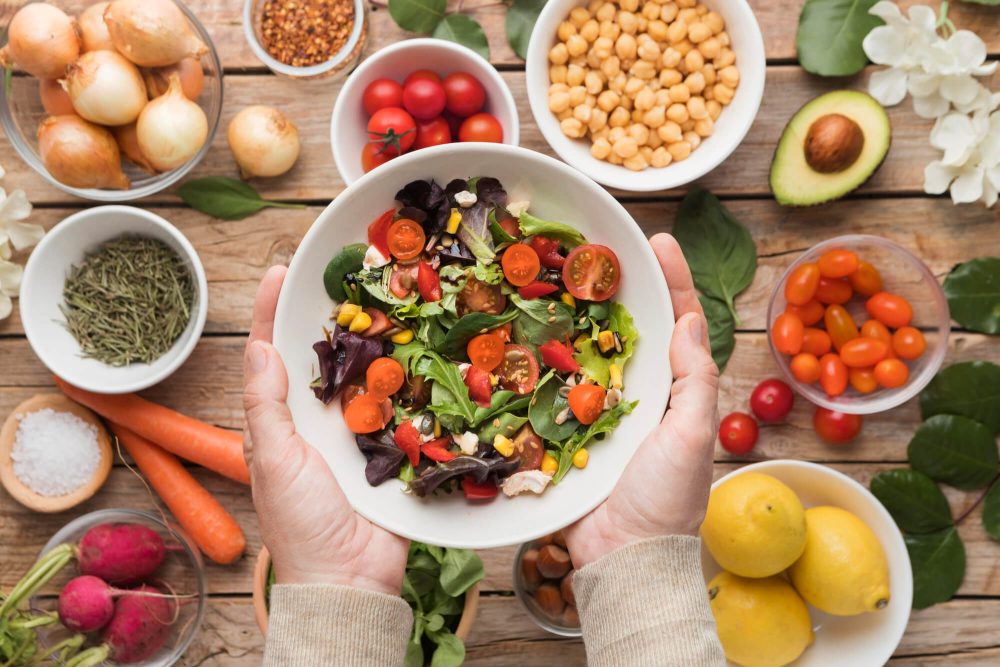
Introduction: Food as the Fabric of Life
Food is one of the few constants in the human experience. We need it to survive, but we crave it for much more. From the earliest foraging societies to modern gourmet kitchens, food has remained at the heart of our traditions, identities, relationships, and philosophies. It reflects our history, influences our health, and serves as a powerful medium of expression. This article explores food not simply as fuel, but as an art form, a cultural statement, and a moral compass—rich with complexity and meaning.
The Cultural Legacy of Food
Each culture expresses itself through its cuisine. The spices of Morocco, the fermentation techniques of Korea, the hand-rolled pasta of Italy—all tell stories about the land, the people, and their way of life.
Food as Cultural Identity
Cuisines are often shaped by climate, religion, trade, and available resources. Over time, these influences become embedded in national and regional identities.
-
Mediterranean cuisine emphasizes olive oil, fresh herbs, and seasonal vegetables, reflecting a climate of abundance and a lifestyle centered on balance.
-
Indian cuisine showcases complex spice blends and vegetarian diversity, influenced by geography, Ayurveda, and religious practices.
-
Scandinavian food embraces simplicity, preservation, and foraged ingredients—an echo of long winters and close ties to nature.
These dishes do more than satisfy hunger—they preserve heritage, instill pride, and connect people across generations.
Rituals, Celebrations, and Sacred Meals
Food plays an essential role in religious observance and celebration. It offers a tangible connection to the divine and serves as a vehicle for gratitude, reflection, and togetherness.
-
Passover Seder meals recount Jewish history through symbolic foods like bitter herbs and unleavened bread.
-
Eid feasts mark the end of Ramadan with sweet treats and shared generosity.
-
Christian communion centers around bread and wine, symbolizing sacrifice and unity.
Across cultures, sacred meals reinforce spiritual identity while fostering deep communal bonds.
The Sensory and Emotional Power of Food
Great food engages all five senses. Its smell can transport us, its colors delight us, and its textures and flavors create lasting memories.
The Multi-Sensory Experience
-
Taste and flavor layering allow chefs to balance sweet, salty, sour, bitter, and umami in harmony.
-
Texture combinations—crunchy toppings over creamy bases, for instance—create contrast and excitement.
-
Visual aesthetics matter: a thoughtfully plated dish elevates the dining experience before a bite is taken.
-
Aromatics awaken memory and emotion, often evoking childhood, family, or faraway places.
Whether a humble bowl of soup or a Michelin-starred masterpiece, food has the power to evoke powerful emotional responses.
Food and Memory
Our memories are often tied to taste. A warm pie can bring us back to a grandmother’s kitchen. A familiar spice blend might remind us of a trip abroad. These connections give food a role in shaping our identities and emotional landscapes.
-
Comfort food offers security in difficult times, often rooted in nostalgia.
-
Celebratory meals remind us of joy and shared accomplishment.
-
Culinary traditions help us feel rooted, especially in times of change.
Food becomes a deeply personal experience, rich with layers of meaning.
Nutrition and the Philosophy of Eating
In today’s health-conscious world, there is growing awareness of the connection between what we eat and how we feel. Nutrition is no longer a medical concept alone—it is a lifestyle, a form of self-respect, and a mindful choice.
Healthful Approaches to Eating
-
Whole-food diets focus on unprocessed ingredients: fruits, vegetables, whole grains, nuts, and legumes.
-
Functional foods provide benefits beyond nutrition—fermented foods for gut health, leafy greens for cognitive function, turmeric for inflammation.
-
Mindful eating encourages people to slow down, listen to hunger cues, and savor every bite with presence.
Food, when approached consciously, becomes an act of self-care and empowerment.
Food as Preventive Medicine
Increasingly, the medical community embraces the idea that diet can prevent—and in some cases reverse—chronic disease. This philosophy promotes:
-
A reduction in sugar, sodium, and ultra-processed ingredients
-
An increase in fiber-rich and antioxidant-dense foods
-
A focus on hydration and balanced energy intake
Eating well is no longer seen as restrictive, but liberating. It’s about choosing life-enhancing nourishment over empty consumption.
Ethical and Environmental Responsibility
Our food choices don’t just impact our bodies—they affect the planet, animals, and communities. A growing number of consumers now seek food that aligns with their values.
Sustainable and Ethical Eating Practices
-
Local sourcing supports farmers and reduces transportation emissions.
-
Seasonal eating ensures freshness and lowers the environmental footprint.
-
Reducing food waste through creative cooking, composting, and planning benefits both households and the global food system.
-
Plant-based diets help mitigate climate change, conserve water, and reduce reliance on factory farming.
Mindful consumption is more than a trend—it’s a movement rooted in accountability and care.
Fair Trade and Food Justice
Ethical eating also involves questioning labor conditions, trade practices, and food accessibility. Supporting brands that champion fair wages and sustainable farming helps shift the system toward equity and dignity for all involved in food production.
The Innovation and Future of Food
As technology evolves, so too does the way we grow, cook, and experience food. From climate-smart farming to AI-assisted cooking, innovation is transforming the global food narrative.
Pioneering Food Technologies
-
Vertical farms maximize space and efficiency in urban areas.
-
Lab-grown meat provides a humane and eco-friendly protein alternative.
-
Smart kitchens with AI-driven meal planning and health tracking make home cooking easier and more customized.
-
3D food printing is being explored for space travel, elder care, and artistic cuisine.
The future of food blends sustainability, accessibility, and personalization—without losing the soul of tradition.
Conclusion: Celebrating the Full Meaning of Food
Food is never just about eating. It is a form of art, a link to culture, a means of healing, and a symbol of love. It reflects how we live, what we believe, and who we aspire to be. At its finest, food nourishes not only our bodies, but also our spirits, communities, and planet.
To eat thoughtfully is to live intentionally. To share a meal is to share a story. And in every dish, whether humble or exquisite, there lies the quiet magic of being human.
 News Reel Blog