
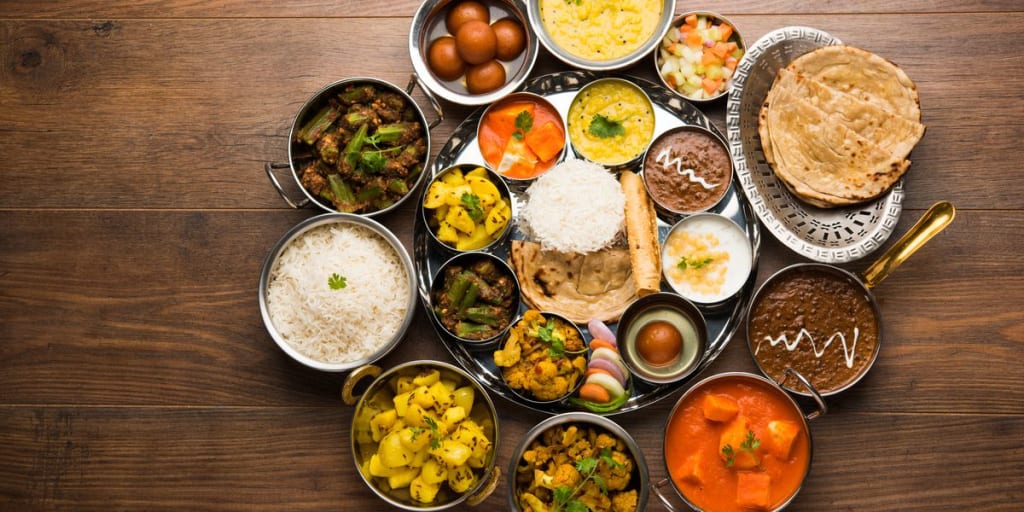
Introduction: The Eternal Allure of Food
Food is far more than a means of sustenance. It is culture, memory, expression, and evolution. From ancient hearths to modern haute cuisine, food has occupied a central space in human civilization. It binds families, defines communities, and speaks a silent language of care, creativity, and identity. As our relationship with food evolves—shaped by global trends, ethical choices, and nutritional awareness—we are reminded that food, in its finest form, is both an everyday ritual and a timeless art.
The Cultural Language of Cuisine
Food is one of the most immediate and enduring reflections of a culture’s soul. Every dish tells a story—not only of ingredients and techniques but of migration, resilience, celebration, and belief.
Cuisine as an Identity Marker
Across the globe, regional and national cuisines have emerged as emblems of identity. These culinary styles are shaped by geography, climate, and history, creating dishes that are deeply rooted in place.
-
Japanese cuisine emphasizes seasonal ingredients, balance, and visual harmony, reflecting Shinto and Zen philosophies.
-
Mexican food is a tapestry of Indigenous and Spanish influences, characterized by earthy spices, maize, beans, and rich sauces like mole.
-
French gastronomy, codified with discipline and finesse, champions the art of preparation, sauce mastery, and presentation.
Food becomes a form of storytelling—one that transcends language and speaks directly to the senses.
Culinary Traditions and Celebrations
Throughout history, food has played an essential role in religious and cultural rituals. It is often the centerpiece of celebration and remembrance.
-
The Lunar New Year brings families together around dumplings and fish, symbolizing wealth and prosperity.
-
Easter feasts in many cultures feature lamb and sweet breads, evoking renewal and community.
-
Harvest festivals around the world mark gratitude for abundance, from American Thanksgiving to the Indian festival of Pongal.
These traditions preserve a sense of belonging, connecting generations through shared flavors and ceremonial meals.
Food as an Emotional Anchor
Food carries emotional weight. It comforts, delights, and anchors us to memories. The aroma of freshly baked bread or a familiar childhood dish can summon entire worlds.
The Role of Food in Memory
-
Nostalgic resonance: Certain meals have the power to transport us instantly to another time and place—a grandmother’s stew, a holiday dessert, a school lunch treat.
-
Comfort and care: During illness or stress, many turn to simple, hearty foods that feel like a warm embrace.
-
Celebratory expression: Joy often finds its voice in food—be it a birthday cake, a romantic dinner, or a festive banquet.
In its emotional richness, food becomes more than nourishment; it becomes a bridge between the past and present, self and others.
Nutrition in the Modern Age
In the contemporary world, the focus on nutrition has intensified, driven by greater access to information and a growing awareness of how food impacts long-term health.
The Rise of Conscious Eating
Consumers are increasingly opting for diets that align with both personal health and ethical considerations. This shift has given rise to trends that prioritize not only what is on the plate, but also where it comes from.
-
Plant-based diets have gained momentum due to their benefits for heart health, the environment, and animal welfare.
-
Whole foods—minimally processed, nutrient-dense ingredients—form the backbone of balanced, health-conscious eating.
-
Functional nutrition highlights foods that offer specific health benefits, such as anti-inflammatory spices, probiotic-rich ferments, and omega-3 fatty acids.
This evolution in eating habits reflects a deeper understanding that food is not just fuel, but medicine.
Mindful Eating: A Return to Intuition
Mindful eating encourages a slower, more intentional approach to meals. It involves tuning into hunger and satiety cues, savoring flavors, and eliminating distractions.
-
Reduces overeating by fostering awareness
-
Enhances enjoyment and satisfaction
-
Strengthens the mind-body connection
This philosophy stands in contrast to the fast-paced, often mindless consumption that characterizes modern life, offering a more humane and gratifying way to nourish oneself.
The Ethics and Sustainability of Food
As the global population grows and ecological concerns mount, the ethics of food production and consumption have come to the forefront.
Sustainable Practices in the Food Industry
Sustainability in food revolves around practices that reduce harm to the environment, animals, and communities.
-
Local sourcing reduces the carbon footprint associated with long-distance food transport.
-
Seasonal eating supports local agriculture and minimizes artificial growing methods.
-
Food waste reduction—through composting, smart storage, and using leftovers—conserves resources and minimizes landfill emissions.
Ethical eating also considers labor rights, fair trade, and the treatment of animals, making food choices a moral act as much as a personal one.
Innovation and the Future of Food
With rapid technological advances, the landscape of food is shifting in unprecedented ways. Innovation is reshaping not just how food is made, but how it is experienced.
Key Innovations Driving the Future
-
Lab-grown meat offers a sustainable, cruelty-free alternative to traditional animal farming.
-
Vertical farming and hydroponics make urban agriculture viable, reducing land use and pesticide reliance.
-
AI-powered kitchens personalize nutrition plans, monitor ingredient freshness, and suggest recipes based on individual health profiles.
As innovation meets tradition, the future of food promises to be as thoughtful and inclusive as it is efficient.
Conclusion: A Celebration of Food’s Infinite Dimensions
Food is an exquisite paradox: both ordinary and extraordinary, humble and luxurious, transient yet eternal. It is one of the rare human experiences that engages all our senses while also touching our ethics, memories, and identities.
To eat is to connect—with our bodies, our history, our environment, and one another. It is an act of care, creativity, and consciousness. Whether a simple bowl of rice or a multi-course feast, every meal has the potential to be a moment of beauty, meaning, and joy.
In honoring food for all that it is—a necessity, a pleasure, a story, and a responsibility—we enrich not only our plates, but our lives.
 News Reel Blog