
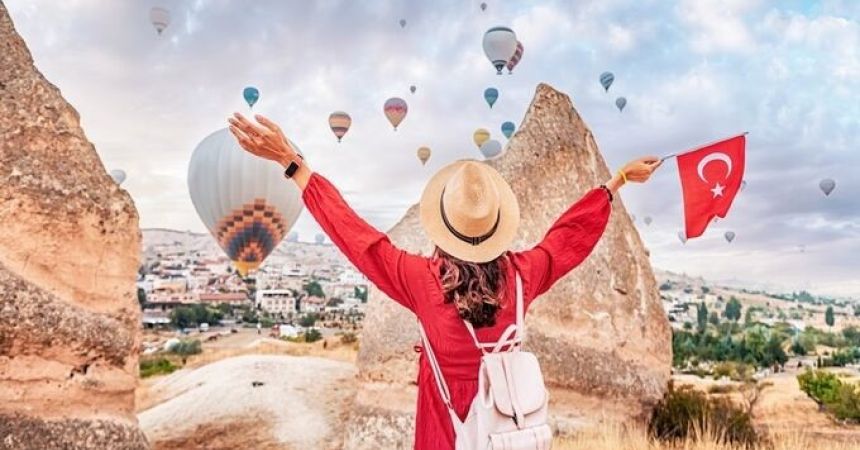
Introduction: More Than a Getaway
Travel, in its truest form, is far more than a change of scenery. It is a deliberate act of stepping beyond the familiar, immersing oneself in the unknown, and embracing the vast spectrum of human experience. While popular culture often frames travel as a means of escape or indulgence, its deeper value lies in transformation. Through the lens of unfamiliar cultures, landscapes, and perspectives, travel reshapes our understanding of the world—and, in turn, ourselves.
The Mindful Traveler: A Shift in Perspective
In an age of instant gratification, the concept of meaningful travel can feel elusive. Yet those who journey with intention understand that travel is not simply about where one goes, but how one chooses to engage with the world while on the move. A mindful traveler seeks more than picturesque views and trendy eateries—they seek connection.
To adopt this mindset, one must resist the pull of performative tourism. Rather than following itineraries designed for social media snapshots, the mindful traveler:
-
Observes without judgment
-
Listens more than they speak
-
Engages with the rhythm of local life
-
Honors traditions without romanticizing or appropriating them
By letting go of control and expectation, travel becomes a quiet act of respect—a way of acknowledging the vast, intricate tapestry of global culture.
Travel as a Mirror: The Inward Journey
One of the most profound aspects of travel is its capacity to reveal the internal landscape of the traveler. Removed from the structures and habits of daily life, we are confronted with a version of ourselves that is raw, reactive, and, at times, surprisingly resilient. The disorientation of a foreign city, the silence of a mountain trail, or the challenge of a language barrier all prompt deeper self-awareness.
It is in these moments—standing in a crowded station without a map, navigating a cultural misunderstanding, or dining alone in a foreign land—that we begin to see who we truly are beneath the noise of routine. Travel invites introspection. It teaches flexibility, cultivates patience, and rewards curiosity. More than anything, it fosters humility. To be a guest in another land is to acknowledge that the world is vast, diverse, and not ours to control.
Embracing the Local: The Art of Cultural Immersion
To truly understand a place, one must move beyond the surface. Landmark attractions, while impressive, offer only a curated glimpse into a culture’s identity. The true spirit of a destination resides in the everyday—the morning routines of its residents, the rituals of mealtimes, the textures of conversation.
Here are a few practices to enrich cultural immersion:
-
Live like a local: Choose homestays or family-run guesthouses over large resorts.
-
Participate in local customs: Attend a neighborhood festival, take a traditional cooking class, or join a community event.
-
Support local economies: Buy handcrafted goods, eat at family-owned restaurants, and use regional guides.
-
Practice cultural etiquette: Learn basic greetings, dress appropriately, and be aware of local customs and taboos.
When we engage deeply with the people and practices of a region, travel becomes an exchange, not an extraction. We give respect and attention, and in return, we receive stories, insight, and warmth.
The Slow Travel Movement: A Return to Intention
In response to the frenzied pace of modern tourism, the philosophy of slow travel has emerged as a welcome counterpoint. It emphasizes quality over quantity, encouraging travelers to spend more time in fewer places, savoring each experience rather than rushing through a checklist of sights.
Slow travel nurtures a deeper connection to place. When we linger in a village long enough to be recognized at the market or return to the same café each morning, we stop being visitors and start becoming participants in the daily fabric of a community.
Key tenets of slow travel include:
-
Extended stays in a single location
-
Eco-conscious transportation, such as trains or cycling
-
Engagement with community-driven tourism
-
Minimalist packing and responsible consumption
By slowing down, we not only reduce our environmental impact but also create space for spontaneous encounters and lasting impressions.
The Role of Nature: Finding Solace Beyond the Urban
While cities offer vibrant cultural experiences, there is an undeniable serenity found in the natural world. Travel that prioritizes nature—be it through hiking, stargazing, or simply sitting beside a river—invites a quiet form of reflection often absent in daily life. These moments reconnect us with the rhythm of the earth and remind us of our place within it.
The psychological benefits of nature-based travel are well-documented. Time outdoors reduces stress, sharpens focus, and fosters a sense of awe. From the stillness of a Nordic forest to the vastness of a desert horizon, nature restores balance to a life otherwise consumed by screens and schedules.
Sustainable Travel: A Moral Imperative
As the world becomes increasingly interconnected, so too does our responsibility to protect it. Travel must no longer be viewed as an entitlement without consequence. The very act of traveling—especially by air—has environmental implications. Yet rather than abstain entirely, we can commit to traveling better.
Responsible travel choices include:
-
Offsetting carbon emissions through certified programs
-
Avoiding exploitative experiences, such as unethical wildlife encounters
-
Supporting conservation-focused accommodations
-
Educating oneself on the social and ecological context of each destination
Sustainability does not mean sacrificing joy. Rather, it means making choices that ensure future generations can enjoy the same beauty and wonder.
Returning Home: Letting the Journey Linger
Perhaps the most underrated aspect of travel is what happens after the return. Souvenirs fade, photographs gather digital dust, but the internal shifts remain. Travel has the potential to reorient our values—to spark a new appreciation for the ordinary, a deeper empathy for others, and a greater reverence for the world.
Those who travel thoughtfully often carry with them a quieter demeanor, a broader worldview, and a heightened sense of gratitude. They become storytellers, bridge-builders, and stewards of global understanding.
Conclusion: The Journey That Never Truly Ends
Travel, when approached with care and curiosity, transcends its itinerary. It becomes a personal odyssey—one that enriches the soul, broadens the mind, and stirs the heart. In an era increasingly defined by speed and separation, the deliberate act of exploring our world remains an essential counterbalance.
To wander is not to escape, but to awaken. And in every step taken across foreign ground, we are reminded that the most beautiful destinations are often those within us, waiting to be discovered through the stories, faces, and landscapes of the world.
 News Reel Blog